Charming Cheese and Fruit Pairings
Highlighted under: Sweet Recipe Collection
I absolutely love combining cheese with fresh fruits, as it creates a delightful tasting experience that never fails to impress. Each pairing highlights the unique flavors of the cheese while enhancing the sweetness of the fruit. Whether it’s a summer picnic or a cozy gathering at home, these pairings are easy to prepare and offer a sophisticated touch to any occasion. I enjoy experimenting with different cheeses and seasonal fruits, discovering unexpected combinations that surprise and delight everyone involved.
When I first tried cheese and fruit pairings at a local farmer's market, I knew I had stumbled onto something special. I remember the creamy brie complemented perfectly by ripe strawberries, creating a harmony of flavors that was simply unforgettable. Since then, I've enjoyed mixing and matching different varieties of cheese, like tangy goat cheese with sweet figs, learning how each pairing tells its own story.
One tip I've found invaluable is to serve your selections at room temperature. It allows the flavors to come alive, and the textures truly shine, enhancing the overall tasting experience. Also, don’t shy away from including unique artisanal cheeses; they can elevate your dish into a gourmet experience.
Why You'll Love This Recipe
- A delightful balance of creamy and sweet flavors
- Perfect for entertaining or as a simple snack
- Easily customizable with seasonal fruits and cheeses
The Perfect Cheese Selection
Choosing the right cheese is pivotal for a successful cheese and fruit pairing. Brie, with its creamy texture, pairs beautifully with juicy strawberries, balancing the fruit's acidity with its rich flavor. Goat cheese adds a tangy contrast, especially delightful when paired with figs, which have a natural sweetness. Aged cheddar provides a robust flavor that enhances the freshness of apple slices, while blue cheese introduces an earthy depth when combined with grapes. Experimenting with combinations can lead to unexpected yet delicious discoveries.
Consider texture in your cheese selections as well. Creamy cheeses like brie will bring a luxurious feel, while firmer cheeses like aged cheddar add a satisfying bite. Mixing both types can create an interesting contrast on your palate. If you're feeling adventurous, try incorporating flavored cheeses, such as those infused with herbs or spices, for a unique twist. Ensuring a variety of textures makes your platter visually appealing and engaging for your guests.
Getting Creative with Fruits
When selecting fruits, freshness is key to amplify the overall flavor of your cheese platter. Look for seasonal fruits that are at their peak ripeness; this not only ensures the best taste but also adds colorful variety. Consider using fruits like ripe pears or stone fruits like peaches during their respective seasons for an added surprise. If certain fruits are unavailable, frozen alternatives can work in a pinch; simply thaw and pat dry before serving, ensuring no extra moisture dilutes the cheese's flavors.
Additionally, think about incorporating dried fruits, like apricots or raisins, for a chewier texture against the creamy cheeses. These can provide an unexpected but pleasing contrast, especially when paired with stronger cheeses like blue cheese. I often include a mix of fresh and dried fruits on my platters, as it creates a delightful textural experience and keeps things interesting for everyone.
Serving Suggestions and Variations
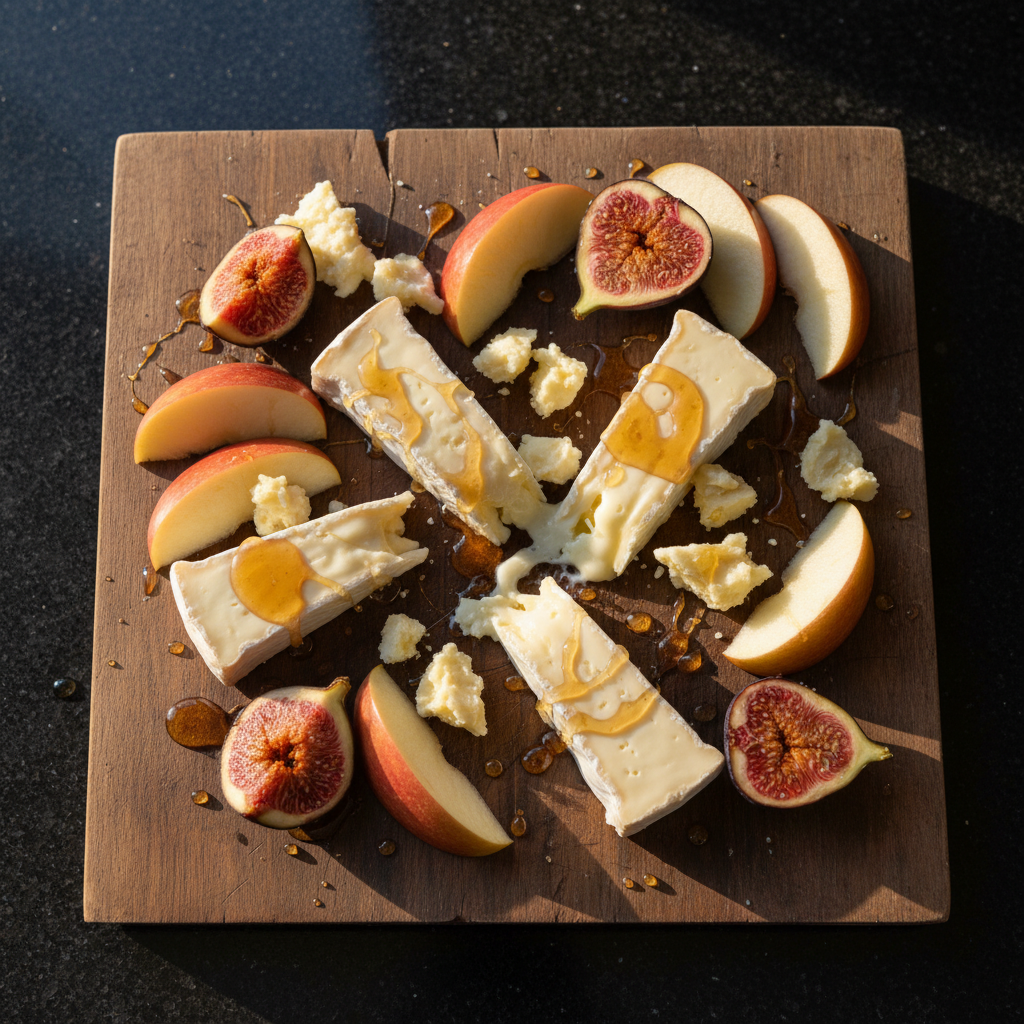
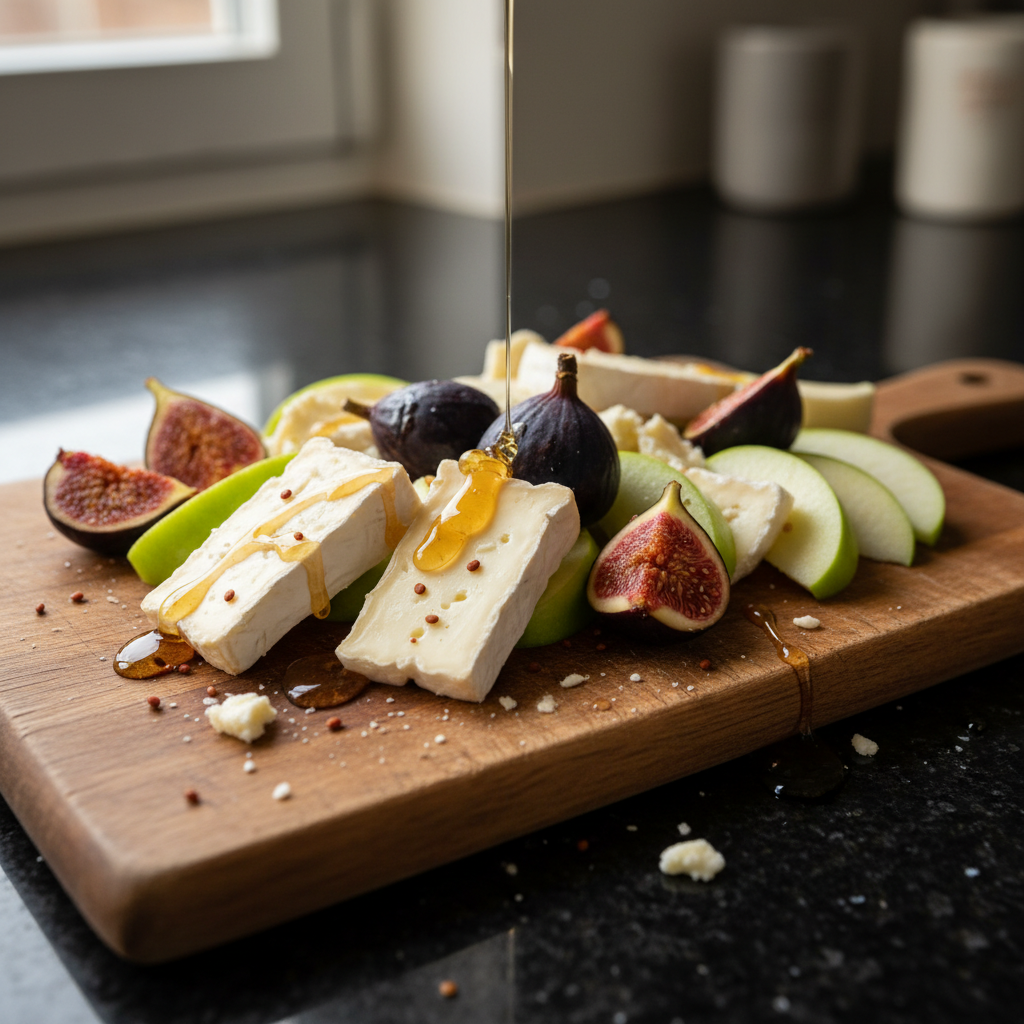
For an elevated presentation, consider using a wooden board or slate platter to arrange your cheese and fruit. This not only adds a rustic touch but also allows different colors and textures to stand out. Include small bowls of garnishes like honey, nuts, and crackers along the sides to invite creativity in pairing. My tip: always have plenty of napkins on hand, as this creates a fun, hands-on experience that encourages guests to explore the combinations.
To enhance the experience further, pair with a light wine or a refreshing sparkling beverage that complements both the cheese and fruit. A crisp white wine works well with many cheese-fruit combinations, while a light red can highlight the earthiness of blue cheese. Remember to encourage your guests to mix and match beyond your initial suggestions; the joy of discovering personal favorites is what makes a cheese and fruit pairing so enjoyable!
Ingredients
Gather your favorite cheeses and fresh fruits to create the perfect pairings.
Cheeses
- Brie
- Goat cheese
- Aged cheddar
- Blue cheese
Fruits
- Strawberries
- Figs
- Apples
- Grapes
Additional Garnishes
- Honey
- Nuts
- Crackers
Feel free to mix and match based on your preferences.
Instructions
Follow these steps to create your exquisite cheese and fruit pairings.
Select Your Ingredients
Choose a variety of cheeses and fruits that you enjoy. Aim for a mix of flavors and textures.
Prepare the Cheeses
Allow the cheeses to sit at room temperature for about 15 minutes before serving to enhance their flavors.
Cut the Fruits
Wash and slice the fruits into bite-sized pieces that are easy to pair with the cheese.
Assemble the Plates
Artfully arrange the cheeses and fruits on a serving platter. Add garnishes like honey, nuts, or crackers for extra flavor.
Serve and Enjoy
Invite your guests to enjoy the delightful combinations. Don't forget to encourage them to experiment with their own pairings!
Your beautiful cheese and fruit platter is now ready to be enjoyed!
Pro Tips
- Experiment with different types of cheese and seasonal fruits to find your perfect combination. Presentation matters, so take time to arrange your platter attractively.
Making It Ahead of Time
Prepping your cheese and fruit platter in advance can take the stress out of entertaining. Cut and slice your fruits no more than 1-2 hours before serving to keep them fresh and appealing. For cheeses, you can prepare them up to an hour ahead. Cover the platter loosely with plastic wrap to avoid drying out, but ensure it’s not too tightly sealed, or condensation will form. If you're using berries or delicate fruits, add them just before serving to maintain their texture.
If you have leftovers, store the remaining cheeses in an airtight container in the refrigerator, allowing them to come back to room temperature before enjoying again. Fruits may need to be discarded if they become overly ripe, but many cheeses can last several days when stored properly, making this a great way to enjoy your pairings over a few days.
Troubleshooting Common Issues
Oftentimes, our cheese can seem a bit bland or not as flavorful as expected. This can usually be remedied by allowing the cheese to warm up to room temperature before serving, which awakens the natural flavors and aromas. If a cheese is overly strong, balance it out with sweeter fruits, like strawberries or apples, to soften the intensity right on the palate.
When it comes to cutting fruits, ensure you have the right knife – a serrated knife works best for softer fruits like figs or strawberries. If your fruits seem too juicy, pat them dry lightly with a paper towel before arranging them on your platter to avoid sogginess, which can affect the overall presentation and enjoyment of the cheeses.
Exploring Flavor Profiles
Taking the time to understand the flavor profiles of each cheese can truly enhance your experience. Goat cheese, with its tang, pairs beautifully with sweeter fruits like figs or honeyed drizzles, while the nutty notes of aged cheddar are beautifully complemented by the freshness of crisp apple slices. When experimenting, pay attention to both sweet and savory aspects to find what works best together.
Don’t shy away from trying unexpected combinations; for example, blue cheese with grapes can create a delightful salty-sweet harmony. You can also add elements like a dash of balsamic glaze or herb-infused oils to excite your cheese and fruit experience, elevating the simplicity of your platter to a new gourmet level.
Questions About Recipes
→ Can I use any type of cheese?
Absolutely! The best part about this recipe is that you can mix and match according to your preferences.
→ How should I store leftover cheese and fruit?
Store cheese in an airtight container in the fridge. Most fruits are best eaten fresh, but you can keep sliced apples in water with a squeeze of lemon to prevent browning.
→ What fruits pair well with cheese?
Almost any fruit can work! Some favorites are figs, strawberries, pears, and grapes.
→ Is this recipe suitable for a vegan diet?
You can substitute cheese with plant-based alternatives and still enjoy a delicious fruit platter.
Charming Cheese and Fruit Pairings
Created by: The Servesavor Team
Recipe Type: Sweet Recipe Collection
Skill Level: Easy
Final Quantity: Serves 4
What You'll Need
Cheeses
- Brie
- Goat cheese
- Aged cheddar
- Blue cheese
Fruits
- Strawberries
- Figs
- Apples
- Grapes
Additional Garnishes
- Honey
- Nuts
- Crackers
How-To Steps
Choose a variety of cheeses and fruits that you enjoy. Aim for a mix of flavors and textures.
Allow the cheeses to sit at room temperature for about 15 minutes before serving to enhance their flavors.
Wash and slice the fruits into bite-sized pieces that are easy to pair with the cheese.
Artfully arrange the cheeses and fruits on a serving platter. Add garnishes like honey, nuts, or crackers for extra flavor.
Invite your guests to enjoy the delightful combinations. Don't forget to encourage them to experiment with their own pairings!
Extra Tips
- Experiment with different types of cheese and seasonal fruits to find your perfect combination. Presentation matters, so take time to arrange your platter attractively.
Nutritional Breakdown (Per Serving)
- Calories: 250 kcal
- Total Fat: 18g
- Saturated Fat: 10g
- Cholesterol: 50mg
- Sodium: 300mg
- Total Carbohydrates: 15g
- Dietary Fiber: 2g
- Sugars: 8g
- Protein: 10g